Disney World With a Toddler: Is It Worth It Yet?
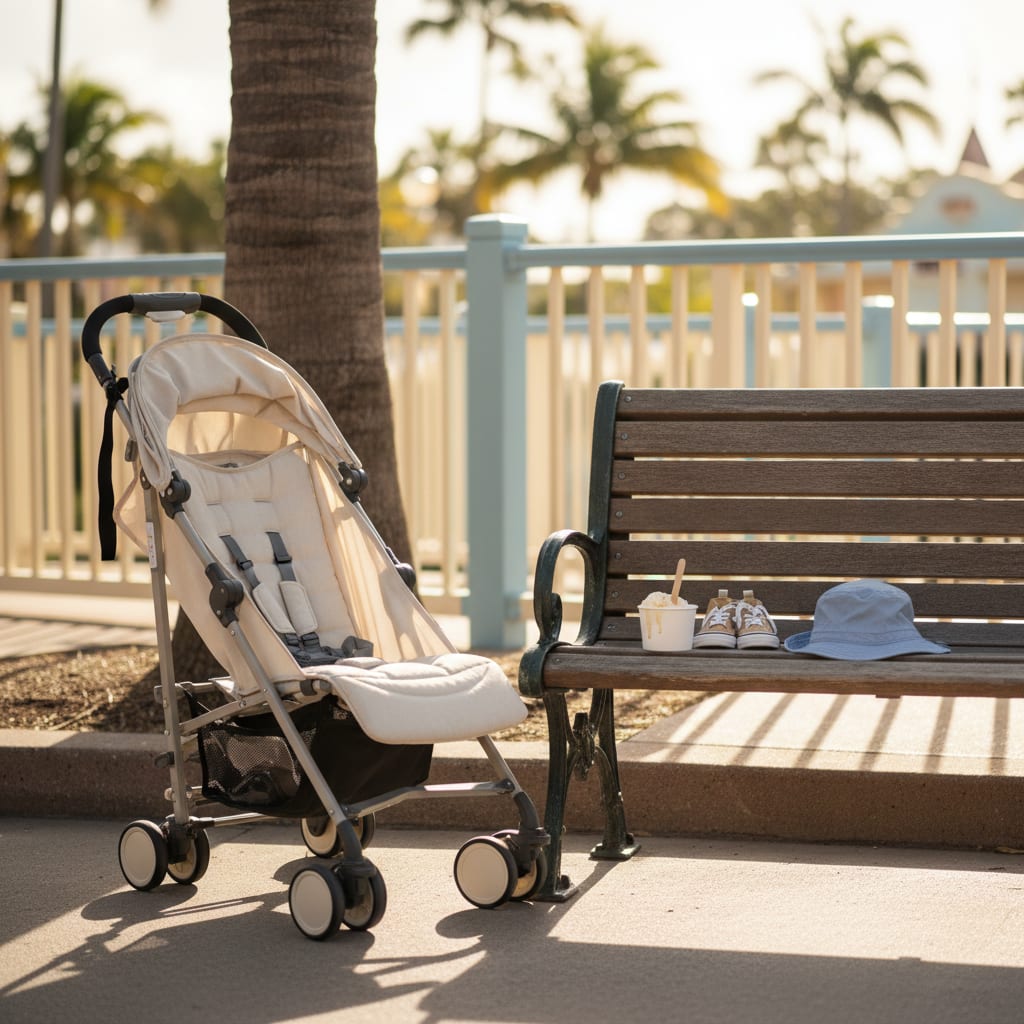
Disney World with a toddler is worth it if you go in with toddler expectations: two or three days rather than a week, one park a day with a real afternoon break, and the understanding that the parades, the ducks and the hotel pool may beat every ride you queued for. The financial case is unusually good — children under three get in free — and Magic Kingdom is the one park in Florida built around people who are three feet tall. The case against is equally simple: they will not remember it. Here’s how to decide, and how to run the day if you go.
The honest verdict by age
Under two. Go only if the trip is really for you or for older siblings. A baby is portable and free, sleeps in the stroller and costs nothing to bring — but nothing about the day is for them.
Two to three. The sweet spot of the toddler years, if there is one. They’re big enough to be delighted by characters, parades and the castle, small enough that most of Magic Kingdom’s rides have no height requirement. This is the age where the photos are genuinely magic and the meltdowns are genuinely epic, often within the same hour.
Four to five. Better on every axis: longer stamina, more height requirements cleared, actual memories formed. If you can wait, waiting pays.
The under-three free admission is the strongest argument for going early — a family of four where one child is two pays for three tickets. Just be honest that you’re buying your own experience, not theirs.
What a toddler can actually ride
Magic Kingdom carries this trip. A large share of its attractions have no height requirement at all, which is not true at the other three parks. The reliable toddler list: the carousel, Dumbo, the teacups, “it’s a small world”, the Magic Carpets, Peter Pan’s Flight, the Winnie the Pooh ride, the Tomorrowland PeopleMover, and the train around the park’s perimeter — which doubles as a fifteen-minute sit-down in the shade.
Approach dark rides with caution rather than a rule. Plenty of no-height-requirement attractions are loud, black-dark or briefly startling, and toddlers vary enormously in how they take that. Start with something bright and gentle, see how it lands, and be willing to skip the rest.
At the other parks: Animal Kingdom’s walking trails, the safari and its playground area work well and are shaded; EPCOT’s aquarium pavilion and the World Showcase’s open space are surprisingly toddler-friendly; Hollywood Studios has the least for this age and is the one to drop if you’re choosing three parks out of four.
Rider Switch, and why it changes the math
Rider Switch (you’ll also hear it called rider swap) lets one adult wait with a child who can’t or won’t ride while the other rides, then swaps without queueing again. It exists precisely so that a family with one toddler and one thrill-seeking eight-year-old isn’t stuck choosing. Ask a cast member at the attraction entrance before you join the line — the process is simple and they’ll explain the current version. Used well, it’s the difference between “we can’t do that ride” and “we can all do that ride, in shifts.”
The other under-used services: every park has a Baby Care Center with changing tables, nursing rooms, a microwave, and basics for sale when you inevitably run out of something. Strollers can be rented in-park, though published size limits apply to strollers you bring, so check the current dimensions against your travel stroller before you fly.
Build the day around the nap
This is the entire game. Toddlers at Disney do not skip naps gracefully; they collapse. The rhythm that works:
Early morning. Be at the gate before opening. The first ninety minutes of a Disney day are worth three hours of the afternoon — short lines, cool air, a child at full battery.
Late morning. Two or three attractions, one character moment, a snack before anyone is hungry.
Early afternoon. Leave. Go back to the room, actually nap, swim. Do not try to nap a toddler in a stroller in July heat in Florida; it works occasionally and fails expensively.
Evening. Return for the parade or the castle at night, and leave before the fireworks crowd if bedtime matters more than the finale.
The one variable worth planning around is whether your child still naps at all. Somewhere between two and four most kids drop the nap, and a child who’s mid-transition needs the midday break even more than a reliable napper — they just won’t sleep through it. Quiet room time counts.
Where to stay
The mid-day-break plan only works if getting back to the room is easy, which is the real argument for an on-property hotel with a toddler. Disney’s Polynesian Village Resort sits on the monorail loop, which means Magic Kingdom without a bus or a car seat — the single best logistical setup for this age, at a price to match. Disney’s Animal Kingdom Lodge is the better value of the two and has its own attraction built in: animals visible from the savanna-view rooms, which will occupy a three-year-old for longer than any ride.
Off-property is cheaper and perfectly workable if you have a car and a car seat — just add real drive time to both ends of the day. The wider Orlando picture, including the non-Disney half of the city that’s often better with small kids, is in my Orlando with kids guide.
Tickets, lines and the money question
Buy the shortest ticket that fits the plan. Two park days plus a pool day beats four park days with a toddler, almost without exception, and it costs less.
The paid line-skipping service — currently sold as Lightning Lane passes, though Disney renames and restructures it regularly — is worth more with a toddler than without, because your total tolerable park hours are so few. Check what’s on sale for your dates rather than what a two-year-old blog post says.
And book character meals early if a character meal is the point. Sitting down in air conditioning while the characters come to you is a far better toddler experience than queueing for a meet-and-greet in the sun.
Is there a better trip for this age?
Sometimes, and it’s worth asking honestly. If your child is under three and you’re mainly buying yourselves a good week, a beach or a resort with a shallow pool delivers more rest per dollar — the picks in best vacations with toddlers and best family beach vacations are built around exactly that trade. Disney will still be there at five, when they’ll remember it.
FAQ: Disney World with a toddler
What is the best age to take a toddler to Disney World?
Around three is the youngest age most families find genuinely rewarding, and four to five is better still — more stamina, more rides cleared, real memories. Under two, the trip is for the adults, with the consolation that admission is free until the third birthday.
Do toddlers need a ticket for Disney World?
Children under three enter the parks free and don’t need a ticket. They also don’t need their own seat on most attractions, though they do need to meet any posted height requirement for rides that have one.
How many days at Disney World with a toddler?
Two or three park days is plenty, ideally with a non-park pool day in between. A toddler’s usable park time is roughly a strong morning and a short evening, so more days mostly buys more meltdowns rather than more experience.
Should we skip the afternoon at Disney with a toddler?
Yes — go back to the hotel. The midday hours are the hottest and busiest, and a real nap or quiet room time is what makes the evening possible. Families who push through it usually lose the whole evening instead.