Austin With Kids: Bats, Swimming Holes and Tacos
The best things to do in Austin with kids are the bats under the Congress Avenue Bridge, a swim in spring-fed Barton Springs Pool, the Thinkery children’s museum, and the free Austin Nature & Science Center with its dinosaur dig pit. Add a cool creek day at McKinney Falls State Park or, with a reservation, Hamilton Pool. Most of it sits in or near Zilker Park and Lady Bird Lake, so a family can do a lot without long drives. Two things decide the trip: the season, because the bats and the heat both follow it, and booking ahead, because two of the best swimming spots need tickets or reservations. Here’s how to plan it by season and by age.
Austin pairs naturally with San Antonio, further down I-35, so if you’re building a Texas trip, read this alongside my guide to San Antonio with kids.
When to go: the bats and the heat
Two calendars run an Austin trip.
The heat. Texas Parks and Wildlife’s page for McKinney Falls, which sits inside Austin’s city limits, gives a July average high of 95 degrees and a January average low of 37. Summer works, but only with a plan: outdoor things early, the pool or a museum in the middle of the day, the bats at dusk. Spring and fall are the comfortable seasons for a full day outside.
The bats. Austin’s most famous sight is the nightly emergence of Mexican free-tailed bats from under the Congress Avenue Bridge, downtown. According to the viewing guide from bat conservationist Merlin Tuttle:
- The best chances are during spring migration, mid-March to mid-April, and when the pups are learning to fly, late July through August.
- Mid-May through June is typically the least likely time to see a big emergence.
- Depending on the weather, good emergences can be seen as late as mid-October. In winter you might still see a column after several days of unusually warm, dry weather, but don’t plan a trip around it.
- The bats usually come out within about 30 minutes before sunset in hot, dry weather, and up to 40 minutes after it when it’s cooler and damp. Hot, dry spells are the best predictor of an early, spectacular show.
So if the bats are the reason for the trip, go in spring or late summer. Late-fall and winter visitors get the rest of Austin at its most comfortable, but should treat the bats as a bonus.
Seeing the bats with kids
The bridge is free, and with children the main job is picking your spot and timing the wait.
- Arrive before sunset and bring something for the kids to do while you wait. A bat picture book like Stellaluna on the drive over helps a preschooler know what they’re looking for.
- Skip the crowd at the southeast end. The guide notes that the first column usually exits at the southeast end, so that’s where people gather, but views are usually better from between the middle and north end of the bridge. There’s an observation deck on the northeast side of the river beside the hike-and-bike trail.
- Take a boat for the easiest view. The same guide suggests renting a small boat or kayak, or booking a tour boat; captains know where to position for viewing. With small children, a tour boat with seating is the low-effort version.
- Bat manners. No loud noise within 100 feet of the bridge, no clapping or yelling. Never let a child touch a bat on the ground: the guide’s advice is that bats which can be easily handled are the ones most likely to be sick, and to call Austin Bat Refuge instead. It also warns to watch for poison ivy along the riverbank, especially at the southeast end.
Barton Springs Pool
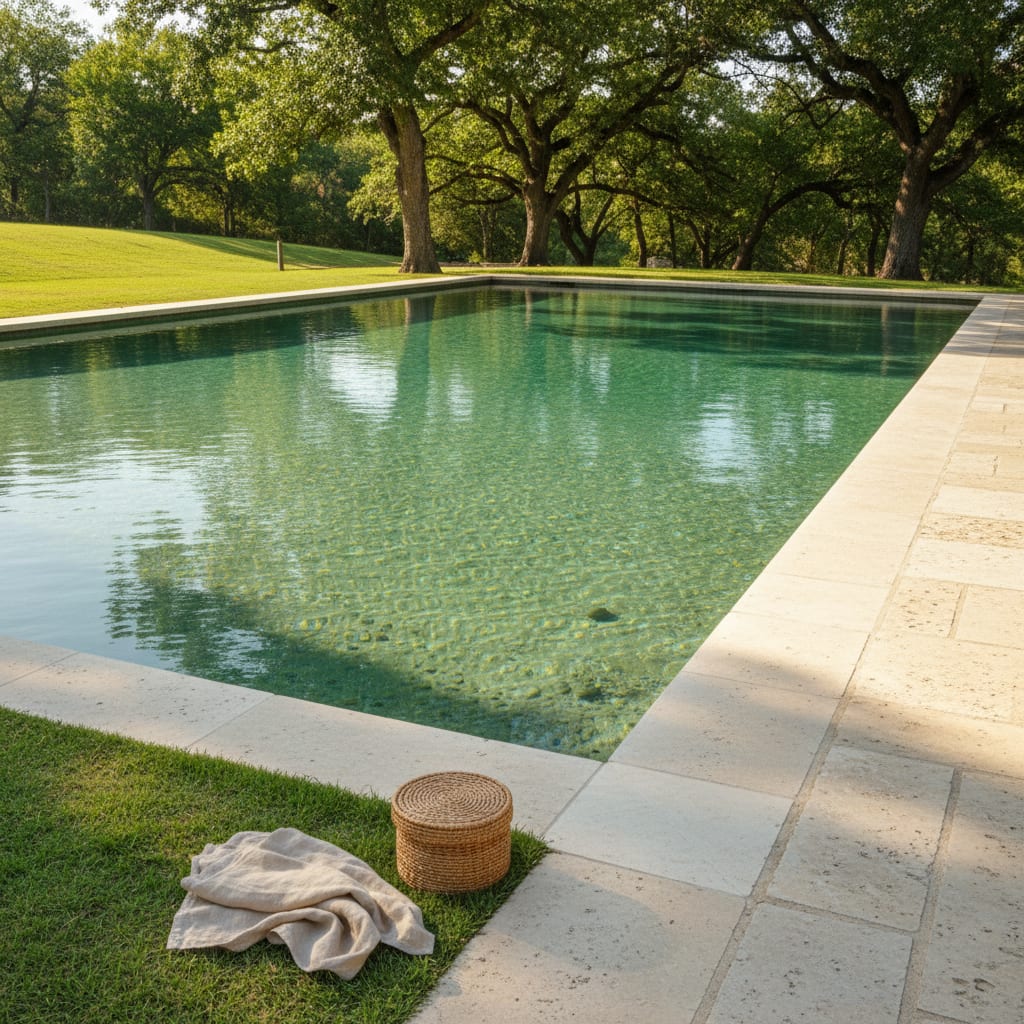
Barton Springs is a three-acre swimming pool in Zilker Metropolitan Park, fed by underground springs. The City of Austin’s Barton Springs Pool page gives the water’s average temperature as 68 to 70 degrees, which feels glorious in July and bracing in spring. Expect small children to last minutes rather than hours.
What to know before you go (checked October 2026):
- Hours: open 5 a.m. to 10 p.m. every day except Thursday, with guarded swimming from 8 a.m. On Thursdays it closes for cleaning from 9 a.m. to 7 p.m.
- Tickets: buy online or in the city’s ATXSwims app (you need an account), or at the kiosks outside both entrances. Non-resident prices are $4 for children 1 to 11 and $9 for adults; under-ones are free.
- Parking: free on weekdays; $3 an hour per vehicle on weekends and holidays from March 1 to Labor Day.
- What to bring: water in a resealable plastic container. Coolers, hard balls and frisbees aren’t allowed, and inflatable toys are only allowed in water five feet deep or less.
Kids’ swim goggles like the Speedo Skoogle make the clear spring water much more fun, and the open lawns mean you’ll want a mineral sunscreen like Blue Lizard Baby for everyone.
Hamilton Pool Preserve (book first)
Hamilton Pool, a grotto-like swimming hole in the Hill Country west of town, is the photo everybody wants, and it takes the most planning. From the Travis County preserve page, as of October 2026:
- Reservations are required every day, $12 per vehicle online (one vehicle, up to eight people). At the gate you also pay $8 per adult, $3 per senior and nothing for children 12 and under, cash only.
- There are two slots, 9 a.m. to 12:30 p.m. and 2 p.m. to 5:30 p.m., and no entry after the slot ends.
- Swimming is never guaranteed. It depends on bacteria levels and recent rain. Right now only a limited part of the pool is open for water access because of falling rocks, and the trail under the overhanging cliff is closed.
- The trail down is a quarter mile, steep with uneven steps, about 30 minutes there and back. That’s a carrier walk with a baby, not a stroller walk.
- No lifeguard; life vests are provided while supplies last. The page warns the water can drop below 50 degrees in winter and spring.
With toddlers, Hamilton Pool is a lot of effort for a swim you might not get. With school-age kids in summer, it’s a highlight. Call the preserve’s information line on the morning you go, as the page advises.
Indoor and nature days
Thinkery (ages 0 to about 10)
Thinkery is Austin’s hands-on science children’s museum, in the Mueller neighborhood. It’s open Tuesday to Sunday, 10 a.m. to 5 p.m., and closed Mondays. General admission was $19.95 for ages 1 and up when I checked in October 2026. Families with babies and toddlers should look at Baby Bloomers, a session on Friday and Saturday from 8 to 10 a.m. Up to three hours of validated parking is available in two nearby garages. It’s the obvious hot-afternoon or rainy-day plan.
Austin Nature & Science Center (free)
On the edge of Zilker Park, the Austin Nature & Science Center is free for families. It’s open Monday to Saturday 9 to 5 and Sunday noon to 5. Drop-in visitors get the Dino Pit fossil dig, a forest trail, accessible trails around the ponds, and animal exhibits including Birds of Prey. Many of the animals are former pets or have injuries that mean they couldn’t survive in the wild. For preschoolers this is the best-value morning in the city.
Bullock Texas State History Museum (5+)
The Bullock Museum is open daily 10 to 5. Prices in October 2026: $22 adults, $16 for ages 6 to 17, free for children five and under. Exhibition admission is free on the first Sunday of every month. The history clicks for kids around six or seven, and the IMAX theatre is a good break.
Lady Bird Johnson Wildflower Center
The Wildflower Center, in southwest Austin, is 284 acres of gardens and trails. From September to May it’s open 9 to 5 (last entry 4); in summer it switches to 7 a.m. to 3 p.m. Youth tickets (3 to 17) are $9 Monday to Thursday and $12 Friday to Sunday, adults $15 or $18, and children 2 and under are free. It closes on Thanksgiving and several days around Christmas and New Year. Spring is its peak season, and the café was closed for remodeling when I checked.
McKinney Falls State Park
McKinney Falls is a state park about 13 miles from the Capitol, still inside the city. Kids can splash in Onion Creek, scramble over the limestone at the Upper and Lower Falls, fish from the shore without a license, and pick up a free Junior Ranger activity journal. The 2.8-mile Onion Creek Hike and Bike Trail is paved and stroller-friendly. Children 12 and under get in free. The park often reaches capacity, so reserve a day pass online. Onion Creek can flood after rain, so check creek conditions with the park before you go.
A loose plan by age
With a baby: a stroller loop on the paved trails at McKinney Falls or the ponds at the Nature & Science Center in the morning, the Wildflower Center on a mild day, a short dip at Barton Springs, and the bats from a seat on a tour boat. Skip Hamilton Pool’s steep trail.
With toddlers and preschoolers: Baby Bloomers or a Thinkery afternoon, the Dino Pit, splashing in Onion Creek, and the bats if they can stay up for sunset.
With school-age kids: Barton Springs, a Hamilton Pool reservation in warm weather, the Bullock, and kayaking on Lady Bird Lake. Austin is also a good food city for this age: food trucks, tacos and outdoor tables mean nobody has to sit still for long.
Where to stay
South of the river near Lady Bird Lake is the easiest base. The Hyatt Regency Austin, at 208 Barton Springs Road, is on the south bank of the lake, under 100 yards from the south end of the Congress Avenue Bridge according to the bat-viewing guide, and its booking.com listing describes a seasonal outdoor pool overlooking the water. You can walk to the bats at dusk and drive to Zilker Park in minutes.
For a resort stay, the Hyatt Regency Lost Pines Resort and Spa is about half an hour from Austin on the Colorado River, with a lazy river and water features, horseback riding and campfires. My roundup of the best family resorts in Texas compares it with the Hill Country and water-park options.
Getting around
You’ll want a car. The bats and the lake are walkable from a downtown or South Congress hotel, but Hamilton Pool, McKinney Falls, the Wildflower Center and Thinkery are spread out. If you’re driving in from elsewhere in Texas, my road trip with kids guide covers building the drive around naps.
 Late bat nights, early swims
Betteroo builds an age-based nap and bedtime plan, so you know which evenings can run late and how to get the next day back on track.
Take the free sleep quiz →
FAQ: Austin with kids
What is there to do in Austin with toddlers?
Thinkery (with its Baby Bloomers session for under-threes), the free Austin Nature & Science Center and its Dino Pit, splashing in Onion Creek at McKinney Falls, and a short swim at Barton Springs. The bats at sunset work for toddlers who can stay up.
When can you see the bats in Austin?
According to Merlin Tuttle’s viewing guide, the best viewing is mid-March to mid-April and late July through August, while mid-May through June is usually the least likely time. Good emergences can last into mid-October in dry weather. The bats come out around sunset.
Is Barton Springs good for kids?
Yes, if they like cool water. The spring-fed pool averages 68 to 70 degrees. It’s open early to late except Thursday daytime, with lifeguards from 8 a.m. Buy tickets online or at the entrance kiosks.
Do you need a reservation for Hamilton Pool?
Yes, every day of the year, for one of two time slots. You pay $12 per vehicle online plus cash entrance fees at the gate; children 12 and under are free. Swimming is not guaranteed.
How many days do you need in Austin with kids?
Three days covers the bats, Barton Springs, a museum day and a nature day. Add a fourth for Hamilton Pool or a day trip to San Antonio.