Washington DC With Kids: Free Museums Done Right
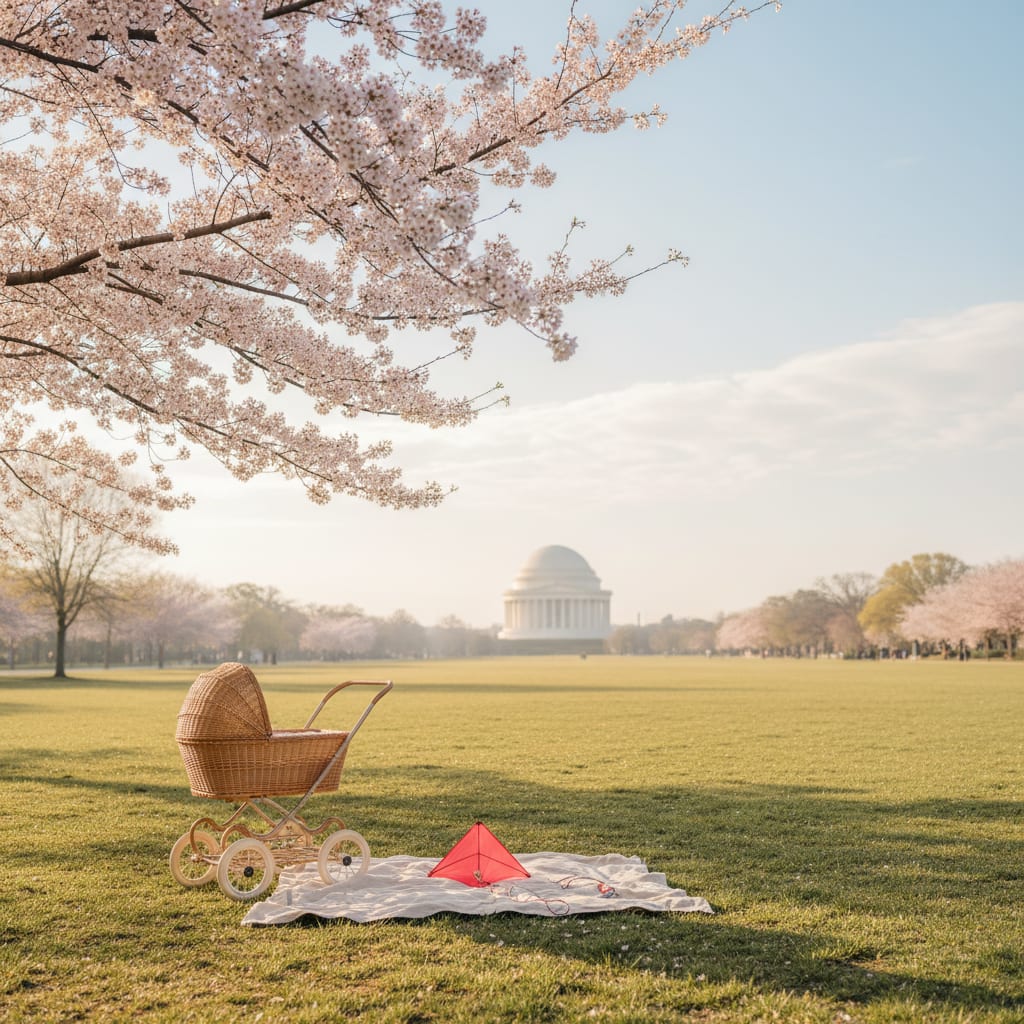
The short answer: DC is the best free family trip in America, and the whole game is triage. Every Smithsonian museum is free, the zoo is free, the monuments are free — which is exactly why families burn out trying to see everything. Pick one museum per day by your kids’ ages, reserve the timed passes the popular spots now use, and spend the saved money on ice cream and a hotel pool. The National Mall is bigger than it looks and the summer is hotter than you think; plan for both. Here’s how, by age.
Know before you go
Free doesn’t mean walk-in: several of the busiest spots — the Air and Space Museum and the National Zoo among them, depending on season — use free timed-entry passes that can disappear days ahead. Check each museum’s site the week before you travel and book the two or three you actually want. Everything else on the Mall you can genuinely wander into.
The Mall is a distance problem: end to end it’s a couple of miles, and museum fatigue hits kids fast. Bring the stroller even for a four-year-old who “doesn’t need it,” and never plan more than two museums in a day — one big one plus a carousel ride and a lawn picnic is the winning formula.
Metro with a stroller: better than almost any US system — stations have elevators, trains are frequent, and kids find the deep-station escalators an attraction in themselves. Check for elevator outages before you commit to a station.
When to come: late March–early April is cherry blossom season — beautiful and brutally crowded. May, September and October are the sweet spots. Summer works but is hot and humid; museums become your midday refuge, which is convenient since they’re the point anyway.
The Smithsonian, triaged by age
With a baby (0–2): the zoo and one gentle museum
The National Zoo is the anchor — free, hilly enough to count as your workout, with pandas-and-elephants headline appeal and plenty of shade. Add the National Gallery of Art’s sculpture garden (fountain, space to roam) and a quick pass through the Natural History Museum for the elephant rotunda and ocean hall — vast, air-conditioned, stroller-easy. The carousel on the Mall is a classic first-ride photo. Keep evenings simple: the monuments at dusk from a stroller are the best free show in the city. If hotel-room sleep is the part of travel that scares you, my baby sleep while traveling guide is the companion piece to this one.
With a toddler (2–5): dinosaurs, the carousel and airplanes overhead
Natural History is the toddler heavyweight — dinosaurs, the giant whale, live butterflies — done in ninety minutes before the meltdown window. Pair it with the carousel and a picnic on the Mall. The unexpected hit at this age is Gravelly Point Park, just across the river, where planes landing at National Airport roar directly overhead every few minutes; toddlers lose their minds, in the good way. The zoo works even better now than at the baby stage. Skip the museums that reward reading — their day comes.
With big kids (5+): Air and Space, history and the night monuments
Now DC becomes the trip they’ll remember. The renovated Air and Space Museum is the one worth planning around — book the timed pass early. American History (Dorothy’s slippers, the Star-Spangled Banner) and the National Archives (the actual Declaration — short line, big payoff) land well from about seven up. Balance every museum morning with motion: rent a paddleboat at the Tidal Basin, bike the Mall, or climb the Lincoln Memorial steps at sunset. The monuments at night — Lincoln, the reflecting pool, the Washington Monument lit up — hit even a jaded ten-year-old.
What’s skippable
A third museum in any day — the classic DC family error; nothing costs money here, so nothing forces discipline except you. The paid attractions around the Mall — wax museums and ticketed “experiences” competing with the free best-in-world stuff next door (the International Spy Museum is the honest exception if you have a spy-obsessed eight-plus and budget for it). A White House drive-by obsession — the exterior view takes ten minutes; tours need to be requested well ahead through a member of Congress, and with young kids the payoff is thin.
Where to stay
Penn Quarter / near the Mall is the convenience pick — museums, Metro and evening monuments on foot. Capitol Hill trades a little distance for row-house charm, Eastern Market breakfasts and playgrounds locals actually use. Dupont Circle has calmer streets and better food, one easy Metro hop from the Mall. If you want the Capitol end of the Mall on foot, the Hyatt Regency Washington on Capitol Hill has an indoor pool for the hour when nobody can face another museum. DC hotel prices swing hard with the political and conference calendar, so check dates both ways — and prioritize a pool in summer, full stop.
A realistic three-day itinerary
Day 1: Natural History at opening, carousel and Mall picnic, sculpture garden afternoon, Lincoln Memorial at dusk. Day 2: zoo morning, pool break, Gravelly Point planes or paddleboats late afternoon. Day 3: Air and Space with your timed pass, Archives or American History if the tank isn’t empty, night monuments by car. DC pairs naturally with Boston with kids as the other great American history city done at kid pace — and compared with New York with kids, DC is calmer, flatter and dramatically cheaper once the free museums do their work.
FAQ: Washington DC with kids
Are the Smithsonian museums really free?
Yes — every Smithsonian museum and the National Zoo charge no admission. Some high-demand spots use free timed-entry passes seasonally, so check and reserve online the week before you go.
What is the best Smithsonian museum for young kids?
Under five: Natural History for the dinosaurs and whale, plus the Mall carousel. Five and up: the Air and Space Museum first, then American History. One big museum per day is the golden rule.
Is Washington DC stroller-friendly?
Very. The Mall is flat and open, museums are stroller-easy with elevators throughout, and the Metro has elevators at every station (check outage listings). Bring the stroller even for kids who’ve mostly outgrown it — Mall distances are deceptive.
How many days do you need in Washington DC with kids?
Three full days covers two or three museums, the zoo and the monuments at kid pace. Four to five adds Georgetown, paddleboats and a slower rhythm — worth it if the ages span baby to big kid.