Best Kids Luggage: Suitcases They'll Actually Pull
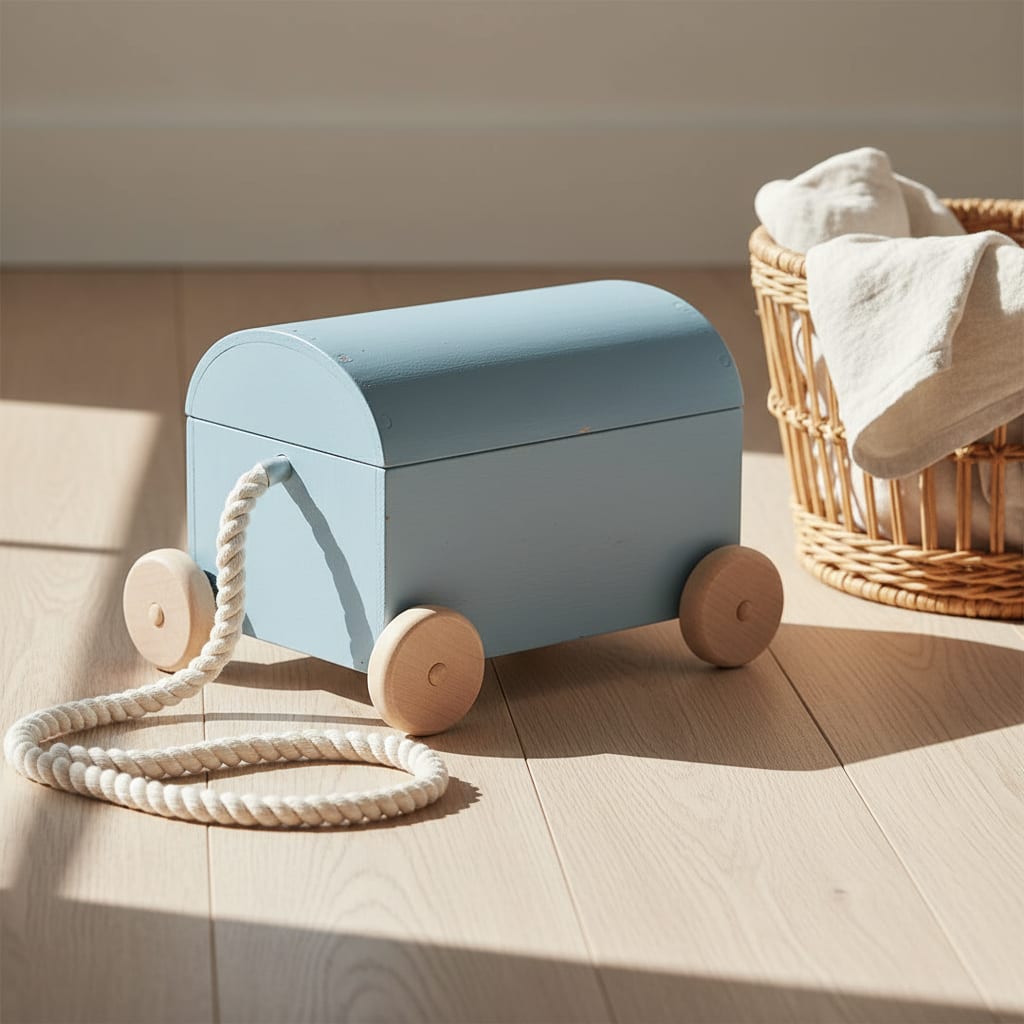
The best kids luggage depends on age more than brand: a ride-on case for ages 2 to 6, a small rolling upright for 4 to 8, and a lightweight spinner carry-on from about 6 to 10. A ride-on like the Trunki doubles as a seat when little legs give out in the terminal. Small uprights are the first bag a preschooler can genuinely pull on their own. A four-wheel spinner is the first case a school-age child can steer through a crowded gate without help. Below are six picks across those three stages, with sizes and age ranges only where the maker or listing states them, checked in October 2026. Whatever you buy, the deal with your child is the same: they pull it, but you’ll carry it at least once.
Kids luggage at a glance
| Pick | Type | Age (as stated by the maker) | What the maker or listing states | Best for |
|---|---|---|---|---|
| Trunki Ride-On | Ride-on | 3-6 | 18 L, 1.7 kg, ride-on tested to 50 kg | The classic first case |
| Samsonite Dream Rider | Ride-on | Not stated in listing | 51 cm, 28 L | More packing room |
| Stokke JetKids BedBox | Ride-on that becomes a bed | 2-7 | Usable as a bed only in cruise | Long-haul flights |
| Stephen Joseph Rolling Carry-On | Small upright | Not stated | Kids’ rolling carry-on | Preschoolers’ first own bag |
| American Tourister Disney Upright | Softside upright | Not stated | 18-inch carry-on | A character bag that lasts |
| Heys Spider-Man Spinner | Hardside spinner | Not stated | 18-inch, four spinner wheels | 6 to 10, steering their own |
Ride-on cases (about 2 to 6)
A ride-on is a suitcase with a seat on top, horns or handles to hold, and a strap so a parent can tow it with the child sitting on it. They’re the most popular kids’ luggage for a reason. A tired three-year-old in a long security line becomes a passenger instead of a carry. The trade-off is weight and shape: a ride-on is bulkier than a backpack and awkward in an overhead bin.
1. Trunki Ride-On Suitcase, the default. Trunki’s own product page and FAQ give the numbers: 18 litres, about 46 x 21 x 31 cm, 1.7 kg (3.8 lb), ride-on tested to 50 kg (110 lb), and a recommended age of 3 to 6. Trunki says it’s designed to fit in the cabin on many major airlines and has an airline checklist on its site. It also says Trunki isn’t designed to be checked in as hold luggage, so plan on it being cabin baggage. At 18 litres it holds a change of clothes, snacks, a few toys and a sleep sack, not a week’s wardrobe. Skip it if: your child is already six. Most kids outgrow riding it around then, and the small capacity starts to frustrate.
2. Samsonite Dream Rider, the roomier ride-on. The listing gives 51 cm and 28 L, so it’s taller and holds more than the Trunki. That suits a child who wants to pack their own clothes for a long weekend, not just toys. Check your airline’s cabin size against it before you fly, because a bigger case is more likely to be gate-checked. Skip it if: your airline’s carry-on rules are tight. The smaller Trunki is the safer fit.
3. Stokke JetKids BedBox, for long-haul flights. A ride-on case for ages 2 to 7 (per the listing) with a bed feature that lets your child lie down across their plane seat. Read the rules before you rely on the bed part. Stokke’s FAQ says the BedBox is a comfort device, not a child restraint, so it can only be used as a bed during the cruise part of the flight, not for taxi, takeoff, landing or turbulence. Each airline decides whether to allow the bed feature, and Stokke keeps a list of airlines that have. As a carry-on, Stokke says it should be allowed on any airline as long as your fare covers a carry-on. Skip it if: your airline isn’t on Stokke’s list, or your flights are short. Then you’ve paid extra for a ride-on.
For a baby rather than a preschooler on a night flight, the bassinet is the comparable option. My guide to the overnight flight with a baby covers its limits.
Small rolling uprights (about 4 to 8)
These are small two-wheel cases with a pull handle, sized for a child to tow beside you. They’re lighter and less bulky than a ride-on, and for a four- or five-year-old they’re often the first bag they genuinely want to pull. Two wheels are more stable than four for a small child, so the case doesn’t swing round and clip their heels.
4. Stephen Joseph Kids’ Rolling Carry-On, the preschool favourite. Stephen Joseph’s kids’ rolling carry-ons come in animal and character designs (this one is a bee) and are sized for small children to pull. The listing I checked doesn’t give dimensions, so measure it against your airline’s under-seat allowance when it arrives. It’s a good first bag for a child who wants to pack their own snacks, a book and a comfort toy. Skip it if: you need it to hold clothes for a week. It’s a carry-along bag, not a suitcase.
5. American Tourister Disney Softside Upright, the character bag that lasts. An 18-inch softside upright carry-on, per the listing, in Disney designs. A softside bag squashes into tighter overhead bins than a hard case, and a character a child already loves is the best way to get them to pull it. Skip it if: your child changes favourite characters every year. A plain design ages better.
Spinners (about 6 to 10)
Once a child can steer, a four-wheel spinner is easier for them than a two-wheel case. It glides upright beside them instead of being dragged at an angle. Look for a handle that adjusts low enough for their height, and keep it carry-on size so it stays with you.
6. Heys Marvel Spider-Man Hardside Spinner, for steering their own. An 18-inch hardside spinner, per the listing, with four spinner wheels. A hard shell protects souvenirs and survives being sat on at the gate. At 18 inches it’s a good bridge to an adult-size carry-on later. Skip it if: your child is under six. Four wheels on a light case can roll away on a sloping jet bridge.
What to check before you buy
- Your airline’s carry-on size. Kids’ cases are small, but a ride-on is an awkward shape. Measure it against the under-seat or overhead allowance, and remember that each child’s fare decides whether they get their own carry-on.
- Who carries it when they quit. Every child abandons their suitcase at some point. A ride-on can be towed with them on it. An upright has to be carried, so lighter is better.
- What actually goes in it. Kids’ luggage works best as a carry-on for the things that keep a child calm: snacks, a comfort toy, a change of clothes, a small activity kit. My carry-on packing list for kids has the full list. For checked bags, my toddler packing list covers what goes in the main suitcase.
- Name and contact details. Put a luggage tag with your phone number on the outside and a card inside. Small cases get left under seats.
FAQ: kids luggage
What size suitcase should a child have?
For ages 2 to 6, a ride-on of around 18 litres, such as the Trunki, holds a day’s essentials. From about 6, an 18-inch carry-on spinner holds clothes for a short trip. Check either against your airline’s carry-on rules.
Can a Trunki go on a plane as hand luggage?
Trunki says it’s designed to fit in the cabin on many major airlines and keeps an airline checklist on its website. It says the case isn’t designed for the hold, so take it on board.
Is the JetKids BedBox allowed on flights?
As a carry-on, Stokke says it should be allowed wherever your fare includes one. Using it as a bed is up to each airline, and only during the cruise portion of the flight. Stokke publishes a list of airlines that have approved it.
What age can a child pull their own suitcase?
Many four- and five-year-olds can pull a small two-wheel upright on their own for short stretches. Spinners suit children who can steer, often from around six. A ride-on works from two or three because a parent tows it.