Japan With Kids: First-Timer Family Itinerary
Japan with kids is the easiest hard trip in family travel: the flight and jet lag are brutal, but everything after landing — safety, cleanliness, trains that run to the minute, food kids actually eat — is smoother than most trips half the distance. The right first-timer shape is ten days: five in Tokyo, four in Kyoto with a Nara day trip, connected by one gloriously fun bullet-train ride. Resist adding more cities; Japan rewards depth, and kids reward not repacking. Here’s the plan we’d repeat tomorrow.
The 10-day shape (and why not more cities)
Days 1–5, Tokyo: land, surrender to jet lag (more below), and work in one anchor per day: a morning at a big park or the teamLab-style digital art spaces, the Ueno Zoo or the Harajuku–Yoyogi combination, a Shibuya-crossing-and-toy-store afternoon, and one “weird Japan” wildcard your kids will talk about for years. My full Tokyo with kids guide breaks the city into toddler-paced neighborhoods so you’re never commuting more than you’re doing.
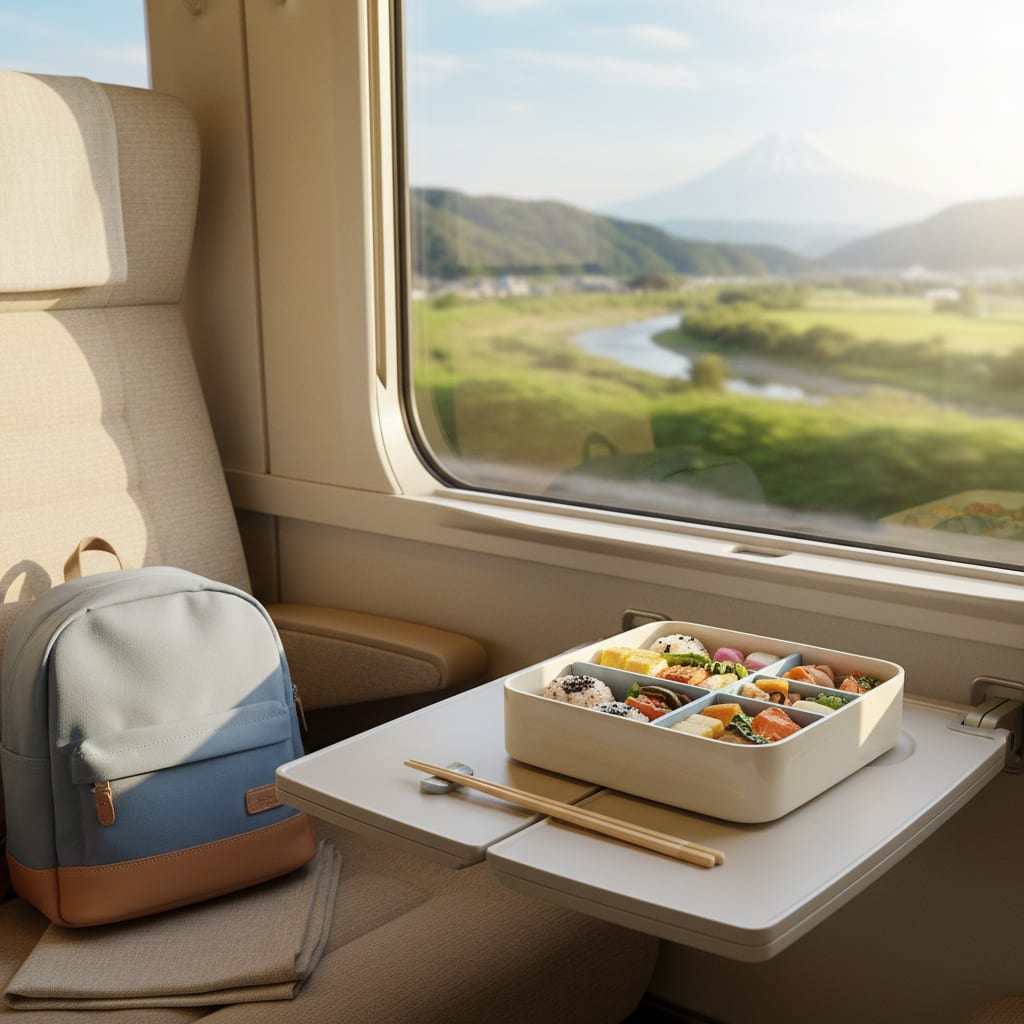
Day 6, the shinkansen to Kyoto: book reserved seats, buy the famous train-station bento boxes on the platform, and let the Mount Fuji side (right side heading to Kyoto — seats D and E) do the entertaining. The bullet train is not transit; it is an attraction, and kids treat it as such.
Days 7–10, Kyoto + Nara: Fushimi Inari’s orange gates first thing in the morning before crowds (kids can walk just the lower loop and get the full effect), the Arashiyama bamboo grove with the riverside park, a temple-a-day maximum — one, not four — and the Nara day trip, where bowing deer roam a giant park and no child in history has been bored.
Trains, strollers and getting around
Japan’s transit is famously excellent and mostly stroller-workable, with caveats. Elevators exist in nearly every station but can require a scavenger hunt to find; rush hour (roughly 7:30–9am) with a stroller is a mistake you make once. A compact, one-hand-foldable stroller is the right tool — or a carrier for the under-twos, which turns temple staircases from obstacle to non-event. Get IC transit cards (they work in both cities, and kids’ fares are discounted), and use the luggage-forwarding services between hotels — sending your big bags ahead and riding the shinkansen with daypacks only is the single best logistics trick in the country. On whether a rail pass pays off: for a Tokyo-plus-Kyoto-only trip, individual tickets are often the better deal — do the math for your dates rather than buying the pass by reflex.
Food: the picky-eater paradise
Japan is the rare destination where the kids’ menu problem solves itself: plain rice, onigiri, udon noodles, karaage fried chicken, egg sandwiches from the convenience stores — which are genuinely good and open around every corner — and conveyor-belt sushi restaurants where dinner arrives as entertainment and nobody waits for anything. Department-store basement food halls make perfect grab-everything family dinners for hotel-room picnics. Two habits to teach fast: no walking while eating, and carry a small bag for your trash, since public bins are rare. Both are lessons in reading a place’s rhythm — part of why Japan is such a formative first big trip for kids.
Jet lag: the real boss fight
A US–Japan trip crosses 13–16 time zones, which means the clock flips nearly upside down — expect three to five rough nights on arrival, with the 3am wide-awake party as a near-certainty early on. The system that works is the same one from my baby jet lag playbook: pin meals and sleep to local time from day one, get hard outdoor light in the local morning, keep nights dark and boring, and allow one short rescue nap early in the day. Build the itinerary knowing days 1–2 are half-speed — park mornings, not museum marathons. And brace for the return leg: coming home is usually the harder adjustment, so land with two quiet recovery days before school restarts if you possibly can. For the long-haul flight itself and the documents-and-gear layer, my international travel with a baby guide covers the checklist.
When to go
Spring (late March–May) and fall (October–November) are the sweet spots — mild weather, and cherry blossoms or fire-colored maples as a bonus, with crowds and prices to match. June’s rainy season is workable with indoor alternates; July–August is hot, humid and very doable if you swim and shave the middays. Avoid Golden Week (a run of national holidays in late April–early May), when the whole country travels at once.
FAQ: Japan with kids
Is Japan good for young kids?
Exceptionally — it’s safe, spotless, stroller-workable outside rush hour, and full of food picky eaters accept. The genuine hard parts are the long flight and the jet lag, which is why a slow two-city itinerary beats an ambitious one.
How many days do you need in Japan with kids?
Ten days is the first-timer sweet spot: five in Tokyo, four in Kyoto with a Nara day trip, one travel day between. Shorter than eight days and the jet lag eats too large a share of the trip.
What’s the best age to take kids to Japan?
Every age works, differently: babies ride along easily, and the five-plus crowd gets the most out of it — deer, trains, robots and conveyor-belt sushi land hardest with kids old enough to narrate them. The toughest window is an early-walking toddler on a 14-hour flight.
Is Japan expensive for families?
Less than its reputation: transit is reasonable, convenience-store and food-hall meals are cheap and good, and many temples and parks are free or nearly so. The big costs are the flights and city hotels — family rooms are small and book out early.