Rome With Kids: How to Do It Without the Meltdowns
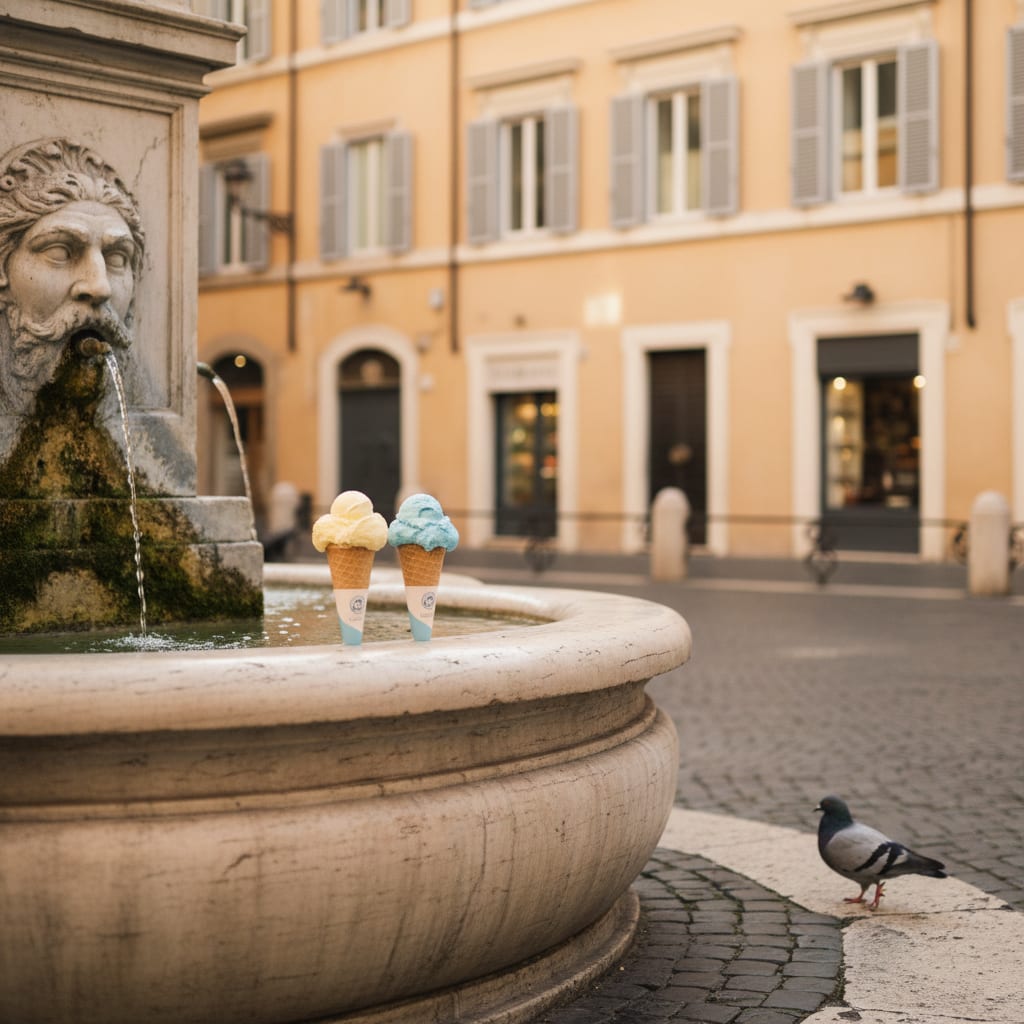
The short answer: Rome is genuinely great with kids because it’s the world’s most dramatic history lesson served with unlimited gelato — gladiator arenas, secret keyholes, cats sunbathing on ancient ruins, and fountains around every corner to refill bottles and toss coins into. The city asks only two things of families: respect the heat-and-crowds math, and never schedule more than one big ancient site per day. Do that, and Rome with children is pure theater. Here’s the meltdown-proof version.
Know before you go
Getting around with a stroller: Rome is cobblestones on cobblestones — a light stroller with decent wheels or a carrier for babies is the move. The center is compact enough to walk almost everything; the metro is limited but useful for the Colosseum and Vatican ends. Taxis fill the gaps at tired-legs o’clock.
Heat and pacing: from late spring through summer, Rome is hot and shade-poor at exactly the sites you came for. Do ruins at opening time, seek fountains and gelato at midday, resurface for the evening passeggiata — the after-dinner stroll that Roman kids join in pajamas and gelato-stained shirts.
Best age fit: peak Rome is roughly six to twelve, when gladiators and mythology land hard. Babies stroll it happily; toddlers need a park-per-day and realistic ambitions.
The 12 things actually worth doing
Ancient Rome, in kid doses
- The Colosseum — one hour, booked ahead. With a timed ticket and a kid-focused audio guide or a good storyteller of a parent, the arena floor view does the rest. Under-fives get more from the outside than the queues inside; from six up it’s the trip’s centerpiece. Book official timed entry well ahead; check current rules.
- The Roman Forum and Palatine Hill — selectively. Vast, shadeless and stroller-hostile in full; brilliant as a one-hour highlights walk ending on the Palatine’s viewpoints. With younger kids, honestly, view it from the free Capitoline terraces instead.
- Ostia Antica. The sleeper hit: an entire ruined Roman port city a short train ride away, where kids can climb theater steps and wander mosaic floors without Colosseum crowds. With ruins-loving kids, it beats the Forum.
- The Pantheon. Ten spectacular minutes — the hole in the dome, the echo — which is exactly a preschooler’s attention span. Entry now requires a ticket at busy times; check current arrangements.
Fountains, piazzas and the daily circuit
- The Trevi Fountain — early or late. At 8 a.m. it’s magical; at noon it’s a mosh pit. Coin over the shoulder, photo, gelato, done.
- Piazza Navona. Street artists, Bernini’s fountains, and space to run while parents drink coffee standing up like locals.
- A gelato education. Make it a formal project: one gelateria per day, rated in a notebook. Look for shops with covered tins and seasonal flavors — the quality bar in Rome is high and kids become connoisseurs fast.
- The Mouth of Truth. The ancient drain cover that “bites off liars’ hands” — thirty seconds of delicious terror and the best photo of the trip. The queue moves fast.
Green Rome and rainy-day saves
- Villa Borghese. Rome’s great park: rowboats on the little lake, bikes and pedal carts for hire, a puppet theater, and the small but good Bioparco zoo on its edge. This is your toddler day.
- Explora children’s museum. A dedicated hands-on museum for the under-twelves near Piazza del Popolo — the reliable rain or too-hot escape. Sessions are timed; check current hours.
- The Appia Antica on Sunday. The ancient Appian Way closes to traffic on Sundays — rent bikes with kid seats and roll past two-thousand-year-old tombs under the pines.
The Vatican question
- St Peter’s, yes; the Vatican Museums, age-dependent. The basilica is free, vast and genuinely awe-inducing, and older kids can climb the dome. The museums-and-Sistine route is a long, dense, crowded shuffle — magnificent from about age ten with an early timed slot, a misery machine with toddlers. Choose honestly.
Where to stay
Prati, near the Vatican, is the family favorite: wide flat sidewalks, real neighborhood restaurants, quick walks to the center. The Centro Storico (around Navona and the Pantheon) puts the evening theater outside your door at a premium. Monti balances cool and convenient near the Colosseum. As everywhere in Europe, an apartment with a washing machine outperforms a charming-but-tiny hotel room — Prati House is a plain example of the type, with family rooms, a kitchenette and a washing machine a short walk from Ottaviano metro.
A realistic three-day itinerary
Day 1: Colosseum hour at opening, Mouth of Truth, long lunch, Trevi after dinner. Day 2: Villa Borghese rowboats and zoo morning, nap, Navona and Pantheon evening circuit. Day 3: Ostia Antica or the Vatican (age-dependent), final gelato tasting. Rome pairs naturally with Paris or London on a two-city Europe trip — short flights connect them all.
FAQ: Rome with kids
Is Rome stroller-friendly?
Middling: the centro is flat but relentlessly cobbled, and many sites involve steps. A lightweight stroller with sturdy wheels plus a carrier for babies covers it. Sidewalks in Prati are the smoothest in town.
How many days do you need in Rome with kids?
Three full days at kid pace covers ancient Rome, the fountain circuit and a park day; four adds Ostia Antica or the Vatican without stacking two heavy days together.
What’s the best age to take kids to Rome?
Six to twelve is the sweet spot — old enough for gladiators, mythology and long evenings. It anchors the tween band of my best places to travel with kids list, though younger kids do fine with a parks-and-gelato version.
When should families visit Rome?
April, May, September and October offer warm-not-brutal weather. Summer works with a strict mornings-and-evenings rhythm and a pool if you can get one; August adds serious heat and closed local restaurants.