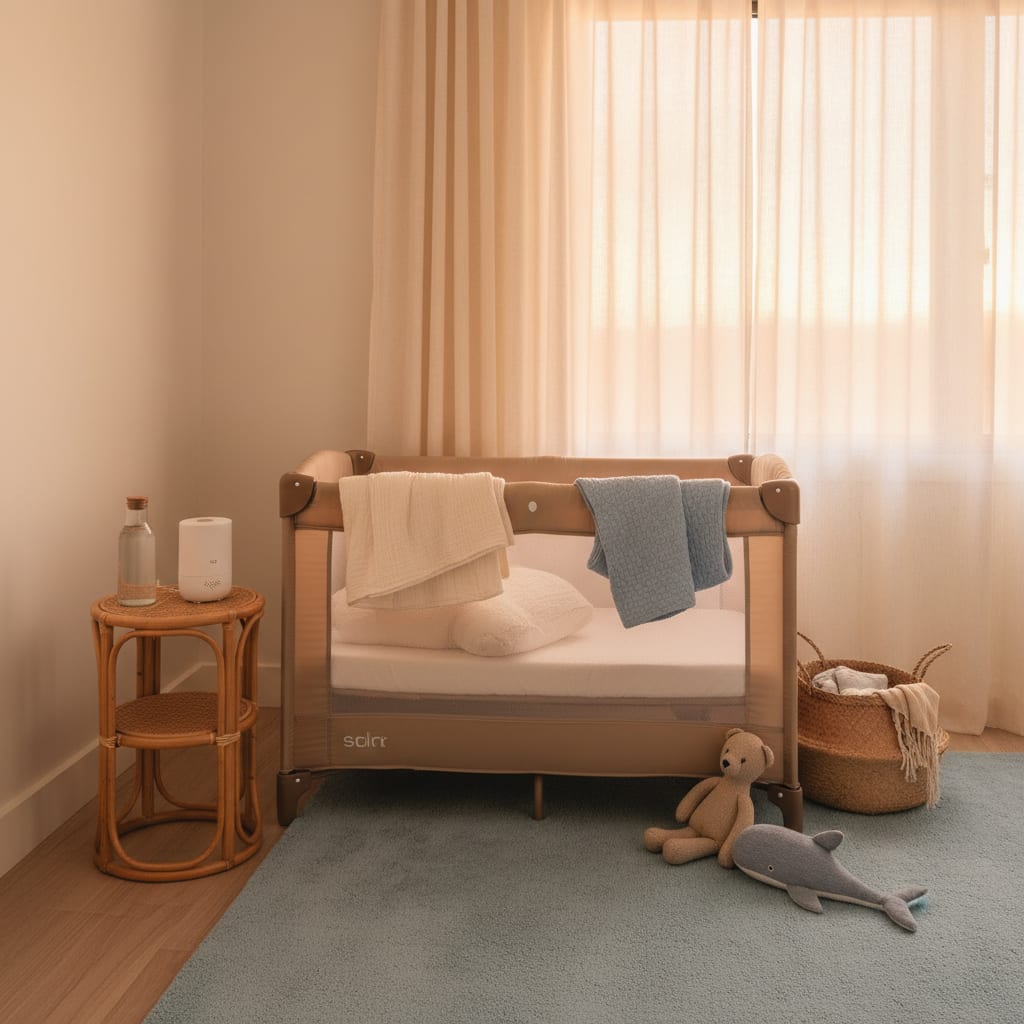
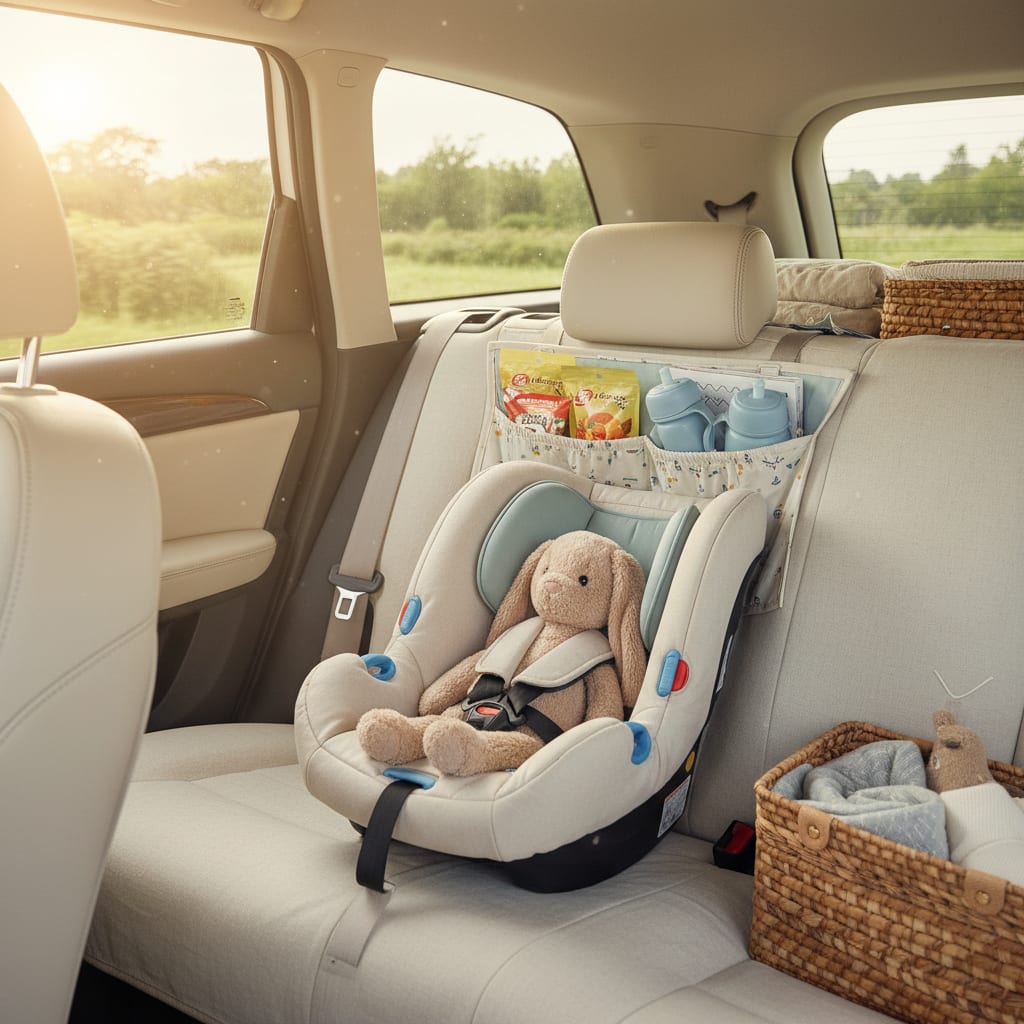
Left the Lovey Behind on Vacation? Tonight's Bedtime Plan
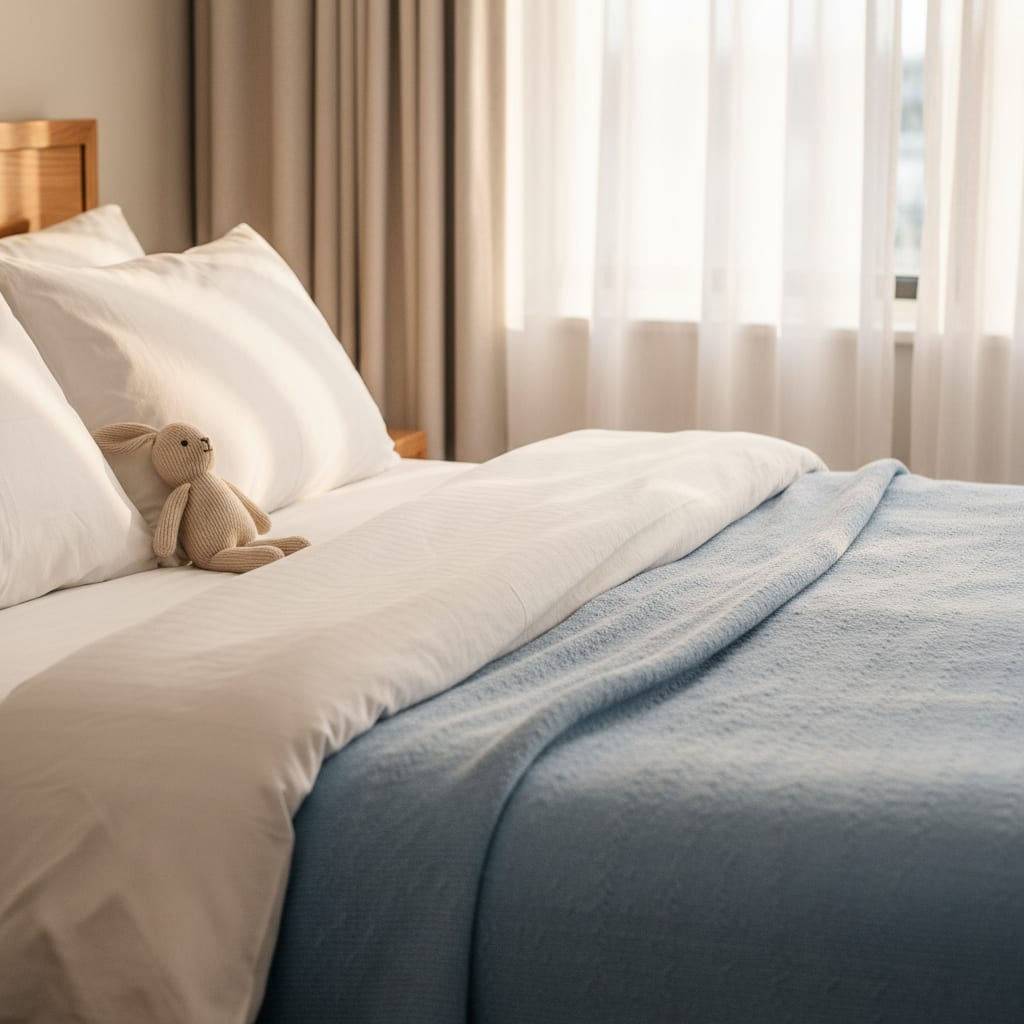
If the lovey was left behind on a trip, do two things today: call the hotel (or airport) while the room is still being cleaned, and plan tonight’s bedtime as if nothing else is changing. Tell your child the truth in one short sentence, keep every other part of the routine exactly the same, offer a stand-in they choose themselves, and give bedtime ten extra minutes of you. Most children protest hard for a night or two and then settle. The lovey was one cue among many. The bath, the book, the song and your voice are still there, and those carry more of the weight than it feels like at 8 p.m.
First, is it lost or just left?
The difference matters, because most loveys left in hotels are found. They go missing in a predictable place: tangled in the sheets, which then go to the laundry. So the call is urgent. A lovey that is still in the room at checkout is easy to find, but one that has gone through a linen cart is much harder.
Call the hotel the same day. Ask for housekeeping or lost and found, not just the front desk, and give them:
- your name, room number and checkout date;
- a clear description (colour, size, any wear marks) and a photo if you have one on your phone;
- where it was most likely to be: the travel crib, the bed, the sofa, the floor between them;
- a polite request to check the linen and laundry from that room before it is washed.
Then ask how they’ll get it back to you. Hotels will often hold an item, but shipping it is usually at your expense and on your initiative. The easiest way is to offer to email a prepaid shipping label, or your courier account number, so all the hotel has to do is pack the box. Ask for a reference number and a name, and follow up by email the next morning. A message with a photo attached is much easier for a busy hotel team to act on than a phone call.
At the airport, there are three different lost-and-founds. The TSA says to contact its lost and found for items left at the security checkpoint, and the airport authority for items left elsewhere in the airport. Anything left on the plane itself goes through the airline’s own lost-property form. Security trays and seat pockets are the two classic places for a lovey to slip away, so if you know it came through security, start with the TSA.
Tonight’s bedtime without it
Tell the truth, briefly. “Bunny is staying at the hotel tonight. The hotel is going to look after him.” A toddler copes with a simple fact better than with a story that keeps changing, and with a promise you might not be able to keep. Don’t promise it will be back tomorrow.
Keep everything else identical. Same bath, same pyjamas, same book, same song, same order and the same words at the door. The lovey was a piece of a sequence, and the rest of the sequence still works. This is the same principle that gets children through the second night in a new room: change as little as possible.
Let them pick a stand-in. Offer two or three safe soft things from the suitcase or the house and let your child choose. Choosing gives them a little control on a night when they’ve lost some. It won’t be the same, and they’ll tell you so. That’s fine. You’re not trying to replace the lovey; you’re giving their hands something to hold.
Give bedtime more of you, not more time. Sit with them for the extra ten minutes, say goodnight the way you always do, and then leave as usual. A bedtime that stretches to an hour, or that ends with you lying down beside them, swaps one comfort object for another that’s harder to give back.
Expect a rough night or two. Protest at bedtime and an extra night waking are normal. Respond calmly and the same way each time. For most children, it gets easier by the third night.
If your baby is under 12 months
The AAP’s safe sleep advice is to keep blankets, pillows and stuffed toys out of a baby’s sleep area, and it says those recommendations apply to babies up to 1 year old. So for a baby, the lovey should be a cuddle before bed, not a crib companion, and losing it changes less than you fear. Don’t put a substitute soft toy in the crib to make up for it. Betteroo’s explainer on when a lovey becomes safe to sleep with covers the age rules and how to introduce one once the time is right.
If you’re still away
If the lovey was left at a previous stop on a multi-stop trip, the routine rules are the same, but your room setup matters even more. Recreate the familiar parts of home in the new room — dark, white noise, the same routine — as I describe in my hotel room sleep guide. The fewer things that feel new, the less the missing lovey stands out.
If it doesn’t come back
Sometimes the hotel finds nothing. Wait a few days before replacing it, because some children move on faster than their parents. If your child is still asking, let them help choose the new one. A new lovey may take weeks to carry the same weight, and it will get there faster if it comes to every bedtime from day one.
When you get home, treat the first week like any post-trip week: same wake time, same routine. My guide to baby sleep after vacation has the seven-day plan, and a missing lovey fits neatly into it.
The backup lovey: do this before the next trip
Buy two and rotate them. The best insurance is a duplicate, introduced early and used in turn, so both smell and feel the same. A child who has always had “two bunnies” doesn’t notice which one travels. If you’re choosing a first lovey, pick one that’s widely sold and easy to buy again, such as a small blanket lovey like the Angel Dear Bunny Blankie. It’s on my list of baby travel essentials for exactly this reason.
Do a checkout sweep. Before you leave any room, strip the travel crib, lift the bed covers, check under the bed, and look in the car seat and the stroller basket. Make “Where’s bunny?” the last question before the door closes, every time.
Keep the travel lovey in one place. In the day bag, in the same pocket, between bedtimes. A lovey that lives in a known pocket is a lovey you notice is missing before you’ve left.

FAQ: the lovey left behind
How do I get a lovey shipped back from a hotel?
Call housekeeping or lost and found the same day, describe the lovey and send a photo, and ask them to check that room’s linen before it is washed. Then offer to email a prepaid shipping label so the hotel only has to pack it, and get a reference number.
How long will my toddler be upset without their lovey?
Usually a night or two of protest, with things easier by around the third night if the rest of the routine stays the same. Some children take longer. Be calm and consistent rather than changing the routine every night.
Should I buy a new lovey right away?
Not on the first night. Offer a stand-in your child chooses, wait to hear whether the hotel finds it, and only then replace it, with your child helping to choose.
Can a baby sleep with a lovey?
The AAP advises keeping stuffed toys and blankets out of the sleep space for babies up to 1 year old. Before 12 months, use the lovey for cuddles before bed, not in the crib.
How do I stop losing the lovey on trips?
Buy a duplicate and rotate the two, keep the lovey in one set pocket of the day bag, and do a checkout sweep of the crib, bed, car seat and stroller before you leave every room.